
Best Landscape Photography Prints for Mountain Homes
Table of Contents
- The Top Landscape Photography Prints for Mountain Homes
- Fine Art Landscape Photography for Interior Design
- How to Choose Landscape Photo Prints for Your Home
- Best Landscape Art for Living Rooms and Great Rooms
- Lighting and Wall Placement Guide
- Budget-Conscious vs. Investment-Grade Prints
- Conclusion
- Frequently Asked Questions
Last Updated: September 6, 2026
The art market contracted by 12%, yet fine art print sales grew, proving accessible, high-quality photography is where collectors and homeowners are turning (Daniel Forster Photography, 2026) (danielforsterphotography.com). For mountain homeowners, the right landscape photography prints anchor a room in the grandeur of the outdoors. This guide breaks down how to select pieces that transform a house into a retreat reflecting the wilderness outside your door.

The best landscape photography prints for mountain homes combine iconic scenery with museum-quality materials that hold color and detail for decades. Below, we show how to match a print to your interior style, choose the right size and medium, and decide between a budget-friendly piece and an investment-grade heirloom, plus lighting and placement strategies most guides skip.
The Top Landscape Photography Prints for Mountain Homes
Certain scenes are perennial favorites in mountain decor, but choosing between them is about more than liking a view. The strongest prints anchor the room in a specific sense of place and support the architectural mood, whether a rustic timber cabin or a modern glass-and-stone great room. Below is a breakdown of the most requested compositions and the design logic behind each.
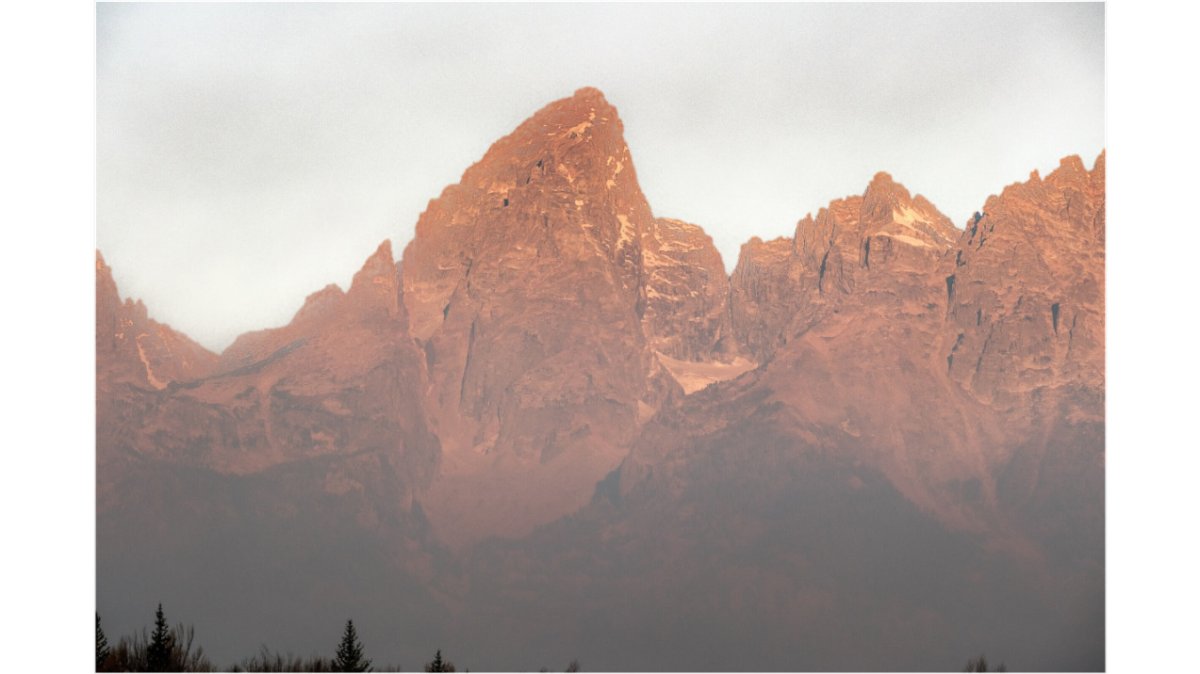
Iconic Grand Teton Scenes
The Grand Tetons of Wyoming are the single most requested mountain range in American landscape photography: the range rises abruptly from the valley floor with no foothills, creating a natural drama that suits both lodgepole-pine interiors and minimalist contemporary walls.
The Famous Mormon Barn in the Tetons is the most recognizable composition in this category. The barn introduces a human scale that makes the peaks feel more immense, and its weathered wood tones harmonize with rustic cabin elements like exposed beams and reclaimed lumber. This print works best in a living room or great room as a conversation piece bridging agricultural nostalgia and alpine majesty. At $29.99, it is an accessible entry point for first-time buyers.
For a quieter mood, the Tetons rise out of the mist image isolates a single peak emerging from fog, trading full-range drama for mystery and solitude. It is a strong choice for bedrooms, reading nooks, or hallways where you want a focal point without visual noise. The muted palette pairs well with soft, neutral wall colors and natural linen textures.
Alpine Lake and Mountain Range Views
Reflective alpine lakes introduce a horizontal calm that counterbalances the vertical thrust of the peaks. The Convict Lake image from California's Eastern Sierra captures this stillness: the lake's mirror-like surface doubles the visual weight of the mountains, creating a balanced, restful composition, ideal for a master bedroom or home office where you want to reduce visual stimulation.
At $17.99, this entry-level print still delivers the full emotional impact of wilderness photography. Its cool blue and green tones make it a natural fit for rooms with gray, slate, or sage accents, reinforcing a calm, spa-like atmosphere.
A Note on Scene Selection and Wall Color
A common mistake is choosing a scene that clashes with the room's palette. Warm-toned scenes, golden-hour light, autumn aspens, alpenglow, bring energy and welcome, ideal for living rooms and dining areas. Cool-toned scenes, misty mornings, alpine lakes, blue-hour snow, evoke calm and openness, suiting bedrooms and quiet retreats.
Before ordering, hold a sample or printed proof against your wall at different times of day. Mountain homes often have large windows and changing natural light, so a scene vibrant at noon may feel washed out by evening. Most professional photographers offer print samples or digital proofs to help you decide before committing to a larger size.
Fine Art Landscape Photography for Interior Design
Fine art landscape photography is defined by print quality and archival standards, not just subject matter. A true fine art print uses archival pigment inks on cotton rag or specialty papers, ensuring color accuracy for generations. This distinction matters when investing in a piece intended to last as long as your home.
Collectors are increasingly prioritizing limited edition status and specific print quality standards in 2026, reflecting a broader desire for authenticity; buyers want to know they own a genuine piece of art, not a mass-produced poster.
Matching the Image to the Room's Mood
Beyond production quality, the most effective fine art landscape prints for mountain homes are chosen for how their color palette shapes the psychology of a room, a dimension most portfolio-driven guides ignore, yet often the difference between decoration and transformation.
Cool-toned scenes, misty mornings, alpine lakes, blue-hour snow, and storm light, are dominated by blues, grays, and greens. These colors lower heart rate and promote calm, making them ideal for bedrooms, meditation spaces, and home offices (the NIH). A large-format cool scene in a master bedroom can make the room feel more expansive and restful, especially with white or light-gray bedding.
Warm-toned scenes, golden-hour light, autumn foliage, alpenglow on peaks, and desert sunsets, introduce oranges, ambers, and deep reds. These hues are associated with energy, warmth, and sociability, working best in living rooms, dining areas, and entryways where you entertain. A warm alpenglow scene above a stone fireplace draws the eye and creates a natural gathering point.
Neutral and monochromatic scenes, fog, snowstorms, and overcast skies, offer the most flexibility. Their muted palettes blend easily with almost any interior style, from modern farmhouse to industrial loft, and are less likely to clash with bold furniture choices. These prints are a safe choice for open-concept spaces where art must work with multiple sightlines.
Practical Styling Rules for Mountain Interiors
Once you have matched the scene's mood to the room, three styling rules will help the print feel intentional:
-
Anchor to furniture, not to wall space. In a great room with tall ceilings, hang the print so its center is 6 to 8 inches above the back of a sofa or console, tying the art to the seating group and preventing it from floating awkwardly.
-
Respect the rule of thirds in composition. If the photograph has a strong horizon line, position it so the horizon aligns roughly with the viewer's eye level when seated, creating a natural, immersive sightline.
-
Use matting to bridge styles. A wide white mat can make a traditional landscape feel contemporary and gallery-like, while a natural wood frame with no mat suits rustic cabins. For modern interiors, consider a thin black or metal frame with a slim mat to keep focus on the image.
The Role of Lighting in Fine Art Display
Lighting is the final and most overlooked element of fine art display in mountain homes. Large windows bring in the views you love, but they also create glare and UV exposure that can fade archival pigments over time. A common pattern is a great room with south- or west-facing glass, meaning art on the opposite wall receives direct sunlight for several hours a day.
To protect your investment, consider these strategies:
- Use UV-filtering glass or acrylic when framing. Most professional print shops offer this as an upgrade, blocking the majority of damaging rays without altering the image's appearance.
- Install picture lights with LED bulbs. LEDs emit negligible UV and heat compared to halogen or incandescent options, and they can be aimed to illuminate the print without washing it out (energy.gov).
- Rotate prints seasonally. Swapping pieces between summer and winter protects them from prolonged sun exposure and refreshes the room's mood as the light outside changes.
By treating fine art as an integral part of the room's lighting and color architecture, not just a standalone object, you ensure the print enhances the space every hour of the day.

How to Choose Landscape Photo Prints for Your Home
Choosing the right print starts with measuring your wall and understanding viewing distance. A common mistake is ordering a print that looks substantial in a thumbnail but feels small once hung in a great room. As a general rule, the print should occupy roughly two-thirds to three-quarters of the width of the furniture beneath it, whether a sofa, console, or bed.
While that size suits hallways and powder rooms, living rooms typically demand larger formats. The table below summarizes our recommended sizing approach by room type.
| Room Type | Recommended Print Size | Placement Height (Center) |
|---|---|---|
| Living Room / Great Room | 30×40 inches or larger | 60-65 inches from floor |
| Bedroom | 24×36 inches | 55-60 inches from floor |
| Hallway / Entryway | 16×20 to 20×30 inches | 58-62 inches from floor |
| Home Office / Den | 20×30 inches | 55-60 inches from floor |
Limited Edition vs. Open Edition
Limited edition prints are numbered and signed, with production capped at a specific quantity, supporting long-term value appreciation and appealing to serious collectors. Open edition prints carry no such cap; they are more affordable and allow you to decorate freely without concerns about diluting an investment.
For most mountain homeowners decorating a primary residence, an open edition from a professional photographer offers the best balance of quality and value. If purchasing with an eye toward art investment, a limited edition from a recognized artist is the more strategic choice.
Print Medium and Material Quality
The medium determines how light interacts with the image and how the piece ages. Traditional matte fine art paper offers a painterly, glare-free finish ideal for spaces with strong ambient light. Glossy or acrylic-mounted prints deliver deeper contrast and punchier color, making them excellent for dramatic, high-impact scenes.
Lumachrome HD TruLife acrylic has become a benchmark for landscape work because it preserves fine detail while adding a subtle depth glass cannot replicate. A photographer testing this medium found it enhanced color vibrancy and detail retention in landscape prints (Scott Smorra Photography, 2020).
Best Landscape Art for Living Rooms and Great Rooms
The living room is where a landscape print earns its keep, demanding a piece that holds its own against stone fireplaces, exposed beams, large sofas, and expansive windows. The Spectacular view of the Tetons, captured on a misty morning approach to Grand Teton, delivers the grandeur this setting requires. Priced at $379.00, this is our investment-grade recommendation for homeowners seeking a true centerpiece.
For a more budget-conscious approach that does not sacrifice visual impact, the Grand Tetons print at $29.99 offers a full-range view of the Wyoming range that pairs well with both cabin decor and modern interiors. Color psychology plays a role here: cool blues and greens evoke calm and openness, while warm golden-hour light brings energy and welcome to social spaces.

Lighting and Wall Placement Guide
Proper lighting transforms a good print into a great one. Track lighting or a picture light mounted on the frame directs attention to the piece and prevents the image from getting lost in a dim room. Avoid placing valuable prints on walls that receive direct, sustained sunlight, as UV rays will fade even archival pigments over time.
Eye level is the standard for gallery placement, but in a room where people are mostly seated, hanging the center of the print slightly lower improves sightlines. In a great room with tall ceilings, anchor the art to the furniture grouping below it rather than centering it on the wall height.
Budget-Conscious vs. Investment-Grade Prints
Mountain home decor spans a wide spectrum of budgets, and quality landscape photography is available at every level. Entry-level prints, typically in the $17.99 to $29.99 range, allow you to experiment with different compositions and sizes without a major financial commitment. These pieces use the same professional capture and printing standards as higher-end options, just in more accessible sizes and formats.
Investment-grade pieces, such as the $379.00 Spectacular view of the Tetons, bring larger dimensions, premium mounting, and the presence of a true centerpiece. The table below summarizes the tradeoffs.
| Option | Price Range | Best For | Tradeoff |
|---|---|---|---|
| Entry-Level Print | $17.99-$29.99 | First-time buyers, small spaces | Smaller size, simpler framing |
| Mid-Range Print | $120-$400 | Primary living spaces | Larger size, premium materials |
| Investment-Grade | $379+ | Statement centerpieces | Higher upfront cost |
Conclusion
Selecting the best landscape photography prints for mountain homes comes down to matching the scene, size, and medium to your specific space and budget. Start with the wall you intend to fill, measure carefully, and choose a composition that resonates with the places you love. Whether drawn to the iconic peaks of the Tetons or the quiet shores of an alpine lake, the right print brings the outside in.
Bob Clark Photography offers a curated collection of landscape and wildlife photography from the Rocky Mountain west, available as professional prints, framed art, and apparel. Each piece is an original photograph, not a stock image, ensuring your home reflects authentic wilderness captured by a working photographer. Check out the full Tetons collection and bring the grandeur of the mountains into your living space.
Frequently Asked Questions
What size landscape photography print is best for a living room?
For a living room, a print that spans at least half the width of your sofa or mantel creates the right visual anchor. A 30x40 inch print suits most standard walls, while a 40x60 inch or larger piece makes a statement above a fireplace. Measure your wall space first, then choose a print with a matching aspect ratio. Bob Clark Photography offers museum-quality prints starting at 11x14 inches, so you can scale up from there to fit your room.
How do you choose art for a mountain cabin?
Choose art that reflects the landscape surrounding your cabin, whether that is alpine peaks, misty valleys, or still lakes. Consider the mood you want: dramatic scenes of alpenglow bring energy, while soft morning mist creates serenity. Match the print's color palette to your cabin's wood tones and textiles for a cohesive look.
Should landscape prints be framed with or without a mat?
A mat creates breathing room between the image and the frame, which helps large landscape prints feel more refined in formal living rooms. Skip the mat for a modern, gallery-style look, especially when using a metal or thin frame. For a mountain home, a natural wood frame without a mat often complements rustic interiors best. The right choice depends on your decor style and the size of the print you select.
What are the best lighting conditions for displaying fine art prints?
Avoid direct sunlight, which can fade archival pigments over time. Position prints away from south-facing windows, or use UV-protective glass. Picture lights mounted on the frame or track lighting aimed at the art provide even illumination and make colors appear richer. In a great room with high ceilings, a directional ceiling light highlights a large landscape print without creating glare on glossy finishes.
How do I match landscape photography colors to my home decor?
Look at the dominant colors in your room, such as your sofa, rug, and wood tones. Choose a photograph that includes those hues, whether that is the deep greens of pine forests, the blue of alpine lakes, or the warm gold of autumn aspens. Cool-toned images with blues and greens create calm, while warm sunrise and sunset shots add energy. Bob Clark Photography's collection spans these palettes, so you can find a piece that unifies your space.