
Museum Quality Landscape Photography Prints 2026
Table of Contents
- What Makes Landscape Photography Prints Museum Quality in 2026
- Archival Fine Art Photography Paper: Substrates That Last
- Top Museum Quality Landscape Photography Prints to Buy in 2026
- Limited Edition Landscape Photography Prints: Value and Authenticity
- How to Frame Fine Art Photography for Long-Term Display
- Lighting, Care, and Sustainability for Your Print Collection
- Frequently Asked Questions
Last Updated: September 1, 2026
Auction sales of fine art photographs surged 19.1% in 2025, reaching $40.4 million across Christie's, Sotheby's, and Phillips, according to Midnight Express Magazine citing the Art Basel/UBS 2026 report. The market for serious photographic art is accelerating. At Bob Clark Photography, we've watched collectors become more educated, selective, and focused on production quality than ever before.
Museum quality landscape photography prints are defined by archival inks, high-resolution source files, professional-grade substrates, and verified print processes that guarantee longevity measured in decades. This guide breaks down what separates a museum-quality piece from a decorative poster, which prints are worth buying this year, and how to care for what you acquire.
What Makes Landscape Photography Prints Museum Quality in 2026
Museum quality in fine art photography is not a marketing term, it is a production standard with measurable criteria across inks, substrates, color management, and longevity.
Archival Inks and Color Stability
Pigment-based inks are the foundation of any museum-quality print. Unlike dye-based alternatives, pigment inks bond at a molecular level with the substrate, producing color stability that resists fading for 75 to 100 years under standard display conditions. Professional-grade printers reproduce a wider color gamut than consumer equipment, capturing the full tonal range of a high-resolution RAW file. For landscape photography, this means the difference between a flat, washed-out sky and one that retains layered depth.
High-Resolution Files and Print Longevity
Print longevity starts with a high-resolution source file, shot on a full-frame or medium-format sensor and processed without destructive compression. Worldwide digital camera shipments reached 9,438,876 units in 2025, an 11.2% increase from 2024, according to Camera & Imaging Products Association 2026 data, reflecting renewed demand for dedicated tools that produce the image quality serious prints require.
Print longevity also depends on consistent color management across an edition. Serious collectors expect ICC profile matching, calibrated monitors in the production workflow, and color-consistent output across every print in a numbered edition.

Archival Fine Art Photography Paper: Substrates That Last
The substrate is where most buyers make the wrong trade-off. Choosing based on price rather than archival properties is the single most common mistake in building a print collection.
Matte Fine Art Papers vs. Acrylic Face-Mounting
Cotton rag matte papers, made from 100% cotton fiber with no optical brighteners, are the gold standard for longevity. They produce a subtle texture that complements nature-driven imagery. Baryta papers mimic traditional darkroom fiber-based prints, with a slightly luminous surface that suits high-contrast scenes.
Face-mounted acrylic prints bond the image face-first to acrylic, typically 6mm or 12mm thick, producing exceptional visual depth, near-perfect UV resistance, and a gallery presentation finish. Wall decor printed on acrylic and metal substrates is advancing at a 10.74% CAGR, according to Mordor Intelligence photo printing market analysis, driven by premium aesthetics and durability. The trade-off: acrylic face-mounting is less forgiving in humid environments and requires careful handling during installation.
UV Resistance, Anti-Static, and Dust Resistance
UV resistance is non-negotiable for any print displayed near windows or under track lighting. Fine art papers with UV-resistant coatings, combined with pigment-based inks, provide the best protection. Acrylic face-mounts offer inherent UV blocking through the acrylic layer itself.
Anti-static properties matter more than most buyers realize. Static charge attracts dust to print surfaces, which abrades the image layer over time. High-quality fine art papers and acrylic substrates both carry anti-static treatments. For framed prints under glass, opt for museum glass with both UV filtering and anti-reflective coating; standard glass transmits UV freely and introduces glare that flattens the image.
Top Museum Quality Landscape Photography Prints to Buy in 2026
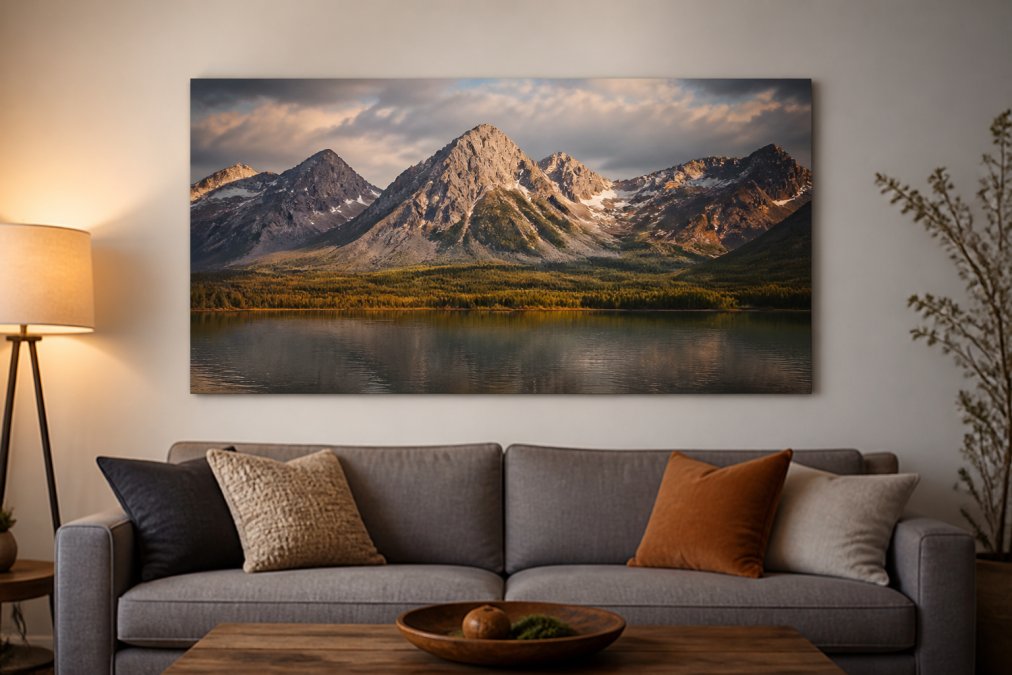
The Bob Clark Photography collection covers the Rocky Mountain west with field time that produces genuinely collectible images, documented moments from specific places at specific times, not stock composites or AI-generated scenery.
| Subject | Starting Price | Best For | |
|---|---|---|---|
| Spectacular view of the Tetons | Misty morning approach to Grand Teton | $379.00 | Statement wall, collector purchase |
| Famous Mormon Barn in the Tetons | Grand Tetons with iconic barn foreground | $29.99 | Gift, entry-level collector |
| Grand Tetons | Classic Wyoming vista | $29.99 | Living room, office display |
| Half Dome at Yosemite | Glacier Point perspective | $17.99 | Nature enthusiast, gift |
| Mount Whitney | Stylized view of the continental high point | $32.99 | Statement piece, gift |
| Sawtooth Mountains | Spring view near Stanley, Idaho | $17.99 | Idaho connection, home decor |
| Grand Canyon | South rim in winter | $17.99 | Southwestern landscape collector |
| Convict Lake | Eastern Sierra, California | $17.99 | California landscape, gift |
| Cliff Lake | Montana lake near Ennis | $17.99 | Montana connection |
| Silver Creek East | Moody Idaho afternoon | $17.99 | Interior styling, moody palette |
The top recommendation for serious collectors is the Spectacular view of the Tetons at $379.00, a large-format, high-end piece capturing atmospheric light that separates a collectible image from a landscape snapshot. For entry-level collectors, the Famous Mormon Barn in the Tetons and Grand Tetons at $29.99 each offer authentic field photography at accessible prices. The Mount Whitney at $32.99 is the strongest option for a statement gift.


Limited Edition Landscape Photography Prints: Value and Authenticity
Edition size is the single biggest determinant of long-term collectibility.
Open Edition vs. Limited Edition: What Collectors Are Buying
Limited edition landscape photography prints are produced in a fixed, numbered quantity, with each print accompanied by a certificate of authenticity signed by the photographer. Once the edition sells out, no additional prints are produced at that size or specification. Open editions carry no such restriction.
According to Art Basel and UBS Art Market Report 2026 via Gallery F, 23% of collectors planning future purchases hoped to buy photography, with millennials representing the most active segment for prints and works on paper. That demand is concentrated in limited, authenticated work, not open-edition reproductions.
The certificate of authenticity documents the edition number, total edition size, print specifications, and the photographer's signature. Without it, resale value is negligible and provenance is unverifiable.
Investment Value in 2026
Photography's investment case is strong. According to the Deloitte Private Photography Market Report 2025, photography doubled its share of dealer sales from 3% to 6% in 2025, and the average hammer price surged 38.8% to $3.4 million. The sub-$50,000 price bracket now accounts for 85% of total dealer transactions by volume, meaning accessible landscape photography prints sit squarely in the most active segment of the market.
"Benchmarked against other asset classes, photography remains a wise investment. Moreover, its relative affordability provides a wealth of opportunity for collectors looking to get in the game." -- Roman Kräussl, Specialist in Alternative Investments at University of Luxembourg School of Finance (Michael Bjorge, 2025)
A common mistake: treating print price as the only cost. Edition size, substrate quality, framing, and storage all affect long-term value. A $200 limited edition print on archival cotton rag, properly framed and stored, will hold and potentially appreciate in value. A $200 open-edition print on standard photo paper will not.
How to Frame Fine Art Photography for Long-Term Display
Framing is where most buyers make decisions that undermine the print quality they paid for. The wrong frame can introduce acid damage, condensation, and UV exposure that degrades a museum-quality print within years.
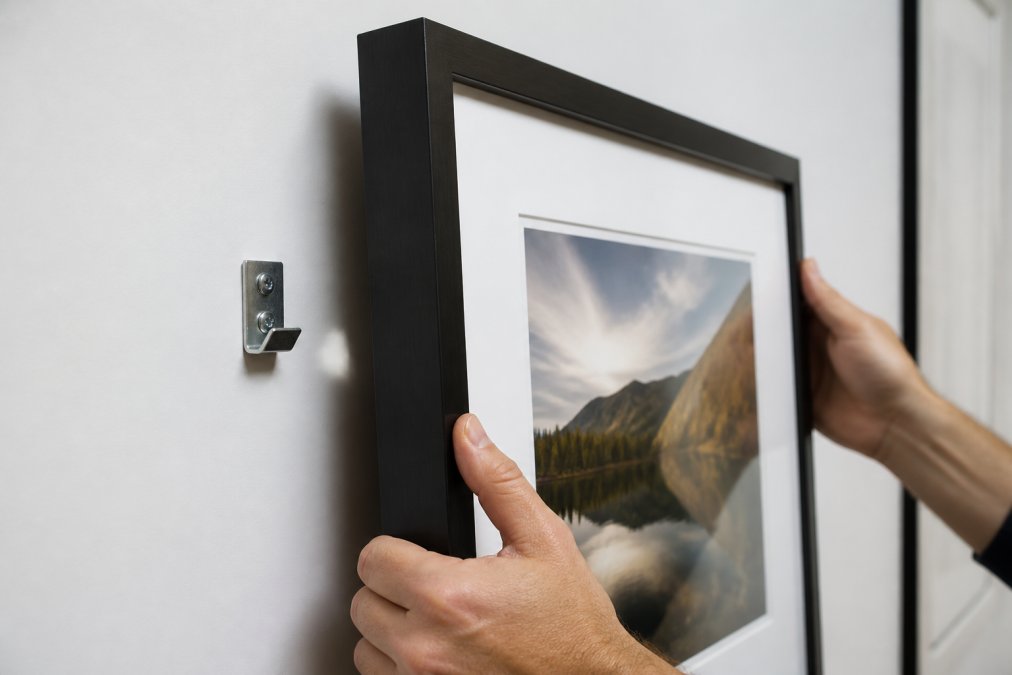
Choosing the Right Mounting Hardware and Materials
The frame should be conservation-grade: aluminum or solid wood with no off-gassing adhesives. The mat must be acid-free and lignin-free. Standard cardboard mats are acidic and will yellow and transfer acid to the print surface within years.
Museum glass is the correct choice for any print worth protecting. It blocks 99% of UV radiation and carries an anti-reflective coating that makes the image appear to float. For mounting hardware, use archival corners or T-hinges made from Japanese tissue and wheat starch paste, never pressure-sensitive tape, which becomes brittle and acidic over time. Float mounting allows for natural paper expansion and contraction with humidity changes without buckling.
Sizing Your Print for the Space
The most common sizing mistake is ordering too small. A print should occupy 60-75% of the wall width it hangs on. For a standard living room sofa wall (typically 2.4 to 3 metres wide), a print in the 60cm x 90cm to 90cm x 120cm range reads correctly at viewing distance. For a statement piece above a fireplace or in an entryway, go larger.
Lighting, Care, and Sustainability for Your Print Collection
Lighting: Avoid direct incandescent lighting, which generates heat and UV radiation. LED track lighting with a color temperature of 2700K to 3000K provides warm, gallery-appropriate illumination without UV exposure. Position light sources at a 30-degree angle to the print surface to minimize glare.
Care and maintenance: Dust acrylic face-mounts with a soft microfiber cloth, dry only. For framed prints under glass, clean the glass exterior with a lint-free cloth and non-ammonia glass cleaner. Never spray directly onto the frame or glass edge, where liquid can wick behind the glass.
Sustainability: Demand for eco-friendly production practices is growing among serious collectors. Archival fine art papers are typically produced without optical brighteners or chlorine bleaching, and many leading print providers now use water-based pigment inks with reduced VOC emissions. The wall decor market was valued at $15.6 billion in 2024 and is projected to reach $28.2 billion by 2029, according to KBV Research, reflecting sustained consumer investment in quality home art aligned with sustainable production values.
Checklist for long-term print care:
- Display away from direct sunlight and incandescent light sources
- Use LED lighting at 2700K-3000K, positioned at 30 degrees to the print surface
- Maintain room humidity between 40-55% to prevent substrate warping
- Dust acrylic surfaces with dry microfiber only
- Inspect frame seals annually for moisture ingress
- Store unframed prints flat in acid-free sleeves, away from temperature extremes
- Keep the certificate of authenticity in a separate archival sleeve, not attached to the print
Collecting museum quality landscape photography prints in 2026 means navigating a market where production standards, edition authenticity, and provenance all affect long-term value. Bob Clark Photography offers original field photography from the Rocky Mountain west, the Grand Tetons, Yosemite, the Eastern Sierra, and the Sawtooth Mountains of Idaho, produced to archival standards and available from $17.99 to $379.00. Check out the full collection and find the piece that fits your space, your budget, and your connection to the American west.
Frequently Asked Questions
Q: What defines a print as museum quality?
A: A museum quality print combines pigment-based archival inks, a high-resolution source file, and an acid-free substrate such as fine art cotton rag paper or face-mounted acrylic. The inks must resist fading for at least 75 to 100 years under normal display conditions. A certificate of authenticity, consistent color management across the edition, and professional-grade print finishing complete the standard that galleries and serious collectors expect.
Q: Are limited edition landscape photography prints a good investment in 2026?
A: The data supports cautious optimism. Auction sales of photographs rose 19.1% in 2025, and photography doubled its share of dealer sales from 3% to 6% that same year, according to the Art Basel and UBS Art Market Report 2026. The sub-$50,000 bracket accounts for 85% of all dealer transactions by volume, meaning accessible limited edition landscape photography prints sit in the most active segment of the market right now.
Q: What is the difference between archival pigment prints and standard photo prints?
A: Standard photo prints use dye-based inks that can fade noticeably within 10 to 25 years, especially under UV exposure. Archival pigment prints use pigment-based inks bonded to acid-free paper or other archival substrates. The pigment particles are larger and more stable, giving them a color gamut that holds for 75 to 100 years or more. Serious buyers in 2026 are specifically requesting archival print processes and consistent color management across editions before purchasing.
Q: How should museum quality prints be framed for longevity?
A: Use UV-filtering glazing, either anti-reflective acrylic or museum glass, to block ultraviolet light that accelerates fading. Mount the print on acid-free mat board and avoid touching the print surface directly. Leave a small air gap between the print and the glazing to prevent moisture buildup. Aluminum frames with a sealed back panel offer the most stable environment. Avoid hanging in direct sunlight or near HVAC vents where temperature swings can warp the substrate.
Q: Where can I find authentic nature photography prints from the American West?
A: Look for photographers who shoot on location and provide a certificate of authenticity with each print. Bob Clark Photography offers original landscape photography prints from the Rocky Mountain west, including the Grand Tetons, Yosemite, the Eastern Sierra, and the Sawtooth Mountains of Idaho. Prints start at $17.99 and are produced through a professional print lab. Buying directly from the photographer guarantees the image is an original capture, not a stock resale.