
Best Rocky Mountain Wildlife Photography Prints
Table of Contents
- Quick Comparison: Top Rocky Mountain Wildlife Photography Prints
- Bobcat in Winter Snow
- Bighorn Sheep Ram Portrait
- Mule Deer Buck and Elk Calf Collection
- Fine Art Wildlife Photography Prints: Materials and Quality
- How to Choose Wall Art for Mountain Homes
- Wildlife Photography Print Care Tips
- Conclusion
- Frequently Asked Questions
Last Updated: September 4, 2026
Wildlife photography prints have moved from gallery walls into mainstream home decor. A 2026 industry report found that 67% of homeowners plan to purchase wildlife photography prints within the next year, with 23% intending to invest in four or more pieces Nick Dale Photography wildlife photography prints statistics. That demand explains why the best rocky mountain wildlife photography prints now anchor living rooms, offices, and mountain cabins across the West. At Bob Clark Photography, we capture the animals and landscapes that define this region. This guide breaks down the top wildlife images, the materials that make them last, and how to choose wall art that fits your home.
Quick Picks:
- Best Overall: Bobcat in Winter Snow, a striking subject with versatile neutral tones
- Best Statement Piece: Bighorn Sheep Ram Portrait, bold presence for large walls
- Best Value Collection: Mule Deer Buck and Elk Calf, two classic scenes under $20 each
Quick Comparison: Top Rocky Mountain Wildlife Photography Prints
Fine art wildlife photography prints typically cost between $18 and $290 depending on size, material, and finishing. The table below summarizes standout options from the Bob Clark Photography collection.

| Subject | Price | Best For | |
|---|---|---|---|
| Bobcat in Winter Snow | Wild bobcat in snowy habitat | $17.99 | Neutral, modern interiors |
| Bighorn Sheep Ram Portrait | Dominant ram in alpine setting | $32.99 | Bold mountain cabin statement |
| Mule Deer Buck | 3x3 buck in natural range | $19.99 | Classic Western decor |
| Elk Calf | Spring calf in meadow | $17.99 | Soft, warm accent pieces |
| Bighorn Sheep Resting | Sheep on rocky ledge | $289.99 | Large-format gallery walls |
Bobcat in Winter Snow
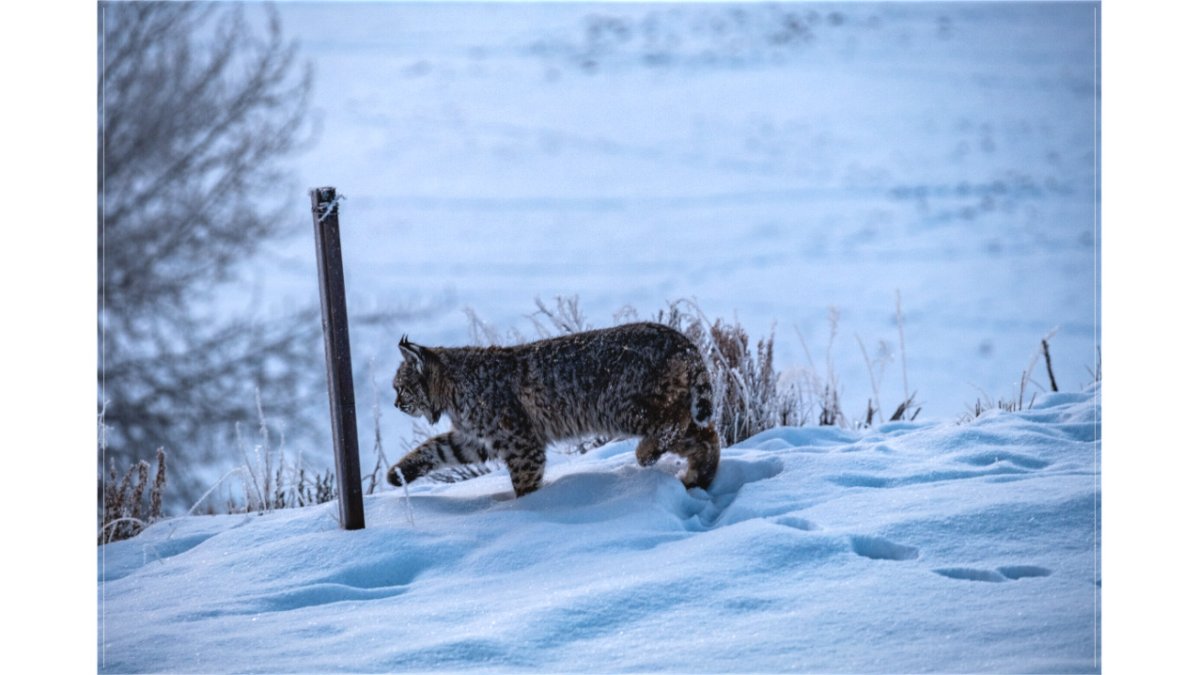
The Bobcat in Winter Snow print captures a wild bobcat mid-survey, snow dusting its coat. At $17.99, it delivers high visual impact per dollar. Cool whites and grays blend naturally into modern farmhouse, Scandinavian, or alpine interiors.

The alert but still pose reads differently by room: in a home office it evokes focus; in a living room it adds wildness that landscape-only walls lack.
Bighorn Sheep Ram Portrait
The Bighorn Sheep Ram Portrait shows a ram with curved horns and raised head. Priced at $32.99, it is the strongest statement piece for mountain homes. Warm browns and tans suit wood-paneled walls and leather furniture.
Photographers who specialize in regional wildlife emphasize that capturing this kind of imagery demands patience and precise timing, which is why high-quality ram portraits remain relatively scarce compared to static landscapes UCHealth on wildlife photography accessibility. That scarcity is part of what gives the image its presence. A ram portrait does not blend into the background. It anchors a room.
Treat this as the focal point. It works best at 24 inches or larger, centered above a console table, fireplace, or bed.
Mule Deer Buck and Elk Calf Collection
The Mule Deer Buck ($19.99) and Elk Calf ($17.99) offer two complementary scenes for collectors. Together they cost less than a single framed piece from many providers, making them an accessible entry point into fine art wildlife photography.
Industry trends show photographers increasingly curating collections by species and location to help buyers make targeted purchases Wilderness Shots on location-specific curation. This pairing follows that logic. The buck represents the mature, established side of the Rockies, while the calf introduces a softer, seasonal energy. Hung side by side, they tell a continuous story about the region's wildlife cycle.
For renters, both are light enough for standard hardware and avoid large wall damage when moving.
Fine Art Wildlife Photography Prints: Materials and Quality
The phrase "fine art" gets thrown around loosely, but it means something specific in printmaking. Professional photographers now offer a mix of canvas wraps, metal, acrylic, and traditional archival giclee prints to meet varied decor demands Daniel Forster Photography on print media diversification. Each material changes how the image reads, how it ages, and what conditions it can tolerate.
Archival Giclee Prints on Fine Art Paper
Archival giclee prints use pigment-based inks, not dye-based, applied to museum-grade cotton rag or alpha-cellulose paper. The pigments are suspended in the paper fibers rather than sitting on top, which is why they resist fading. When stored properly (away from direct sunlight and humidity swings), archival prints maintain color accuracy for 100+ years according to accelerated aging tests conducted by print manufacturers Wilhelm Imaging Research on pigment longevity.
Trade-off: archival prints require UV-protective framing and climate-stable rooms (avoid bathrooms and kitchens). Cost runs $25-$80 for standard sizes. The payoff is color fidelity, wildlife fur and feather detail read truest on paper.
Metal Prints
Metal prints fuse dyes into aluminum using heat, creating a glossy surface where colors glow from within. Blacks are deeper and high-contrast subjects pop with intensity paper cannot match.
Metal prints resist moisture, temperature swings, and UV fading. They require no framing and arrive ready-to-hang with a floating mount system that adds visual depth.
Downside: glare can obscure detail in bright rooms. The modern aesthetic may clash with rustic cabin decor. Pricing runs $40-$150 for standard sizes.
Canvas Wraps
Canvas wraps stretch museum-quality canvas over a wooden frame. The weave adds texture and painterly quality. The image wraps the frame sides, arriving ready-to-hang.
Canvas forgives humid environments, requires no glass protection, and softens intense subjects. The matte finish eliminates glare.
Canvas fades faster under direct sunlight (noticeable after 5-10 years) and can sag in high humidity, though this is rare in climate-controlled homes. Pricing is $35-$120.
Acrylic Prints
Acrylic prints sandwich the image between clear acrylic and backing, creating a 3D floating effect. Light illuminates from within, producing exceptional color saturation and luxury appearance.
Acrylic is durable and requires only dusting. Downside: the clear face shows fingerprints and dust, and produces glare in bright rooms.
Acrylic is the most expensive option ($80-$250+). It suits statement pieces but is impractical for multi-print collections. Use for high-traffic spaces where visual impact is the priority.
Choosing by Room and Use Case
Buying from a working photographer like Bob Clark Photography means paying for original capture, color grading, and print quality.
Use this framework: Paper for color-critical spaces. Metal for high-moisture or high-traffic areas. Canvas for living rooms and dens. Acrylic for statement pieces where budget allows.
How to Choose Wall Art for Mountain Homes
Choosing wall art for mountain homes means matching the print's subject, color palette, and material to your decor aesthetic. The print should anchor the space, not compete with it.
Step 1: Identify Your Decor Style
Mountain homes typically fall into one of four aesthetic categories:
Rustic Cabin, Heavy wood, leather, warm earth tones. Choose warm-toned wildlife (mule deer buck or elk calf in golden light). Pair with canvas or archival paper in wood frame; avoid glossy metal.

Modern Farmhouse, Shiplap, neutral palettes, mixed vintage and contemporary. Choose cool or neutral-toned wildlife with clean composition. The bobcat in winter snow is ideal. Metal or acrylic enhance the contemporary edge.
Contemporary Minimalist, Clean lines, monochromatic palettes, negative space. Choose bold, graphically strong wildlife, close-ups or high-contrast imagery. Acrylic or metal suit this style.
Eclectic/Gallery, Mix of styles and mediums. Wildlife can be any subject or color as long as it is high-quality. Archival paper in varied frames works best.
Step 2: Match Color Palette to Existing Furnishings
Photograph your wall and furniture in natural light. Note dominant colors: warm, cool, or neutral. The print's palette should complement or intentionally contrast.
- Warm rooms: Choose warm wildlife subjects (elk, mule deer, bighorn sheep in golden light). Avoid cool-toned images.
- Cool rooms: Cool-toned wildlife (snow scenes, blue-hour landscapes) creates cohesion.
- Neutral rooms: Any subject works. Matte finishes feel softer; glossy finishes feel contemporary.
Step 3: Size the Print Correctly
Measure the wall and furniture before ordering. The print should occupy two-thirds to three-quarters of the furniture width.
For an 8-foot sofa, choose 30-40 inches wide. For a 6-foot sofa, 24-30 inches. For gallery walls, the combined footprint should be two-thirds to three-quarters of furniture width.
Renters should focus on unframed prints in standard sizes (8x10, 11x14, 16x20). Canvas wraps and metal prints are ideal, ready-to-hang with minimal hardware.
Step 4: Consider the Room's Purpose and Visual Energy
- High-energy subjects (direct eye contact, alert posture): Bighorn ram portraits or wildlife in action. Suit entryways, offices, and living rooms.
- Calm subjects (animals at rest, soft lighting): Elk calves or grazing deer. Suit bedrooms and bathrooms.
- Landscape-dominant subjects: Elk in alpine meadows or sheep on ridges. Work in any room.
Step 5: Test Before Committing
If unsure, order a smaller size first (8x10 or 11x14). Live with it for a week or two in different lighting. Once confident, invest in a larger version or different material.
Wildlife Photography Print Care Tips
Wildlife prints last generations with proper care. Archival paper needs UV-protective glass and placement away from south-facing windows.
Canvas and metal prints are forgiving. Dust with a soft microfiber cloth every few weeks. Avoid spray cleaners. For acrylic, use mild soap and water on the cloth, never directly on the surface.
Humidity matters, bathrooms and kitchens cause paper to buckle or warp. Keep prints in climate-stable rooms. Use acid-free matting to prevent yellowing.
Conclusion
Building a wall collection of Rocky Mountain wildlife means balancing subject, material, and size against the room. The print should come from a photographer who captured the moment. Bob Clark Photography offers original landscape and wildlife photography prints, framed or unframed, along with apparel and accessories. Check out the collection to find the piece that brings the Rockies home.
Frequently Asked Questions
What makes rocky mountain wildlife photography prints different from other landscape art?
Rocky mountain wildlife photography prints capture the authentic habitat and behavior of animals in their natural environment, bighorn sheep on alpine ridges, bobcats in snow, mule deer in meadows. Unlike generic landscape art, these prints combine wilderness photography with specific regional wildlife, creating a connection to the actual ecosystems of the Rocky Mountains. This specificity appeals to nature enthusiasts, former residents, and travelers who want to celebrate their relationship with the region.
How do I choose the right size for wildlife photography prints in my home?
Start by measuring your wall space and considering the viewing distance. A 16x20 inch print works well for spaces viewed from 6-8 feet away, while larger 24x36 inch prints suit living rooms with higher ceilings or gallery walls. Most wildlife prints look best when they're the focal point of a room rather than competing with other art. Use the size preview tools available when ordering to visualize how the print will appear on your specific wall before purchasing.
Are these prints authentic original photography, and how can I verify that?
Professional wildlife photographers like those offering bighorn sheep and bobcat prints create original images through field work and direct capture. Verify authenticity by checking the photographer's portfolio, publication history, and whether they offer archival-quality prints. Bob Clark Photography's prints come from original field photography, not stock images, and each piece is produced on museum-quality materials to preserve the artist's vision and ensure longevity.
What is the difference between canvas wraps, metal prints, and traditional fine art paper for wildlife photography?
Canvas wraps offer a gallery-quality look with texture and depth, ideal for living spaces. Metal prints provide vibrant color accuracy and modern aesthetics, perfect for contemporary homes. Traditional archival giclee prints on fine art paper deliver the most authentic representation of the original photograph with museum-grade longevity. Choose canvas or metal for bold statement pieces; choose fine art paper if color accuracy and professional gallery presentation matter most to you.
How long do wildlife photography prints last, and how should I care for them?
Museum-quality prints using archival inks and acid-free materials can last 100+ years when properly cared for. Protect prints from direct sunlight, which fades colors over time, and maintain humidity between 30-50% to prevent warping. Dust gently with a soft, dry cloth; avoid touching the print surface. Framing under UV-protective glass adds another layer of preservation. Proper care ensures your wildlife photography investment maintains its color vibrancy and visual impact for decades.