
Tips for Decorating With Nature Photography at Home
Table of Contents
- Choosing the Best Landscape Art for Living Rooms
- How to Use Color Theory in Interior Design With Nature Photography
- How to Frame Nature Photography for Any Room
- Matching Print Medium to Your Space: Canvas, Metal, or Paper
- Arranging Nature Photography: Gallery Walls and Negative Space
- Tips for Decorating With Nature Photography in Rentals
- Caring for Your Nature Photography Prints
- Frequently Asked Questions
Last Updated: September 20, 2026
Choosing the Best Landscape Art for Living Rooms
The best landscape art for living rooms is a large-format print that matches your room's scale, repeats a color already in the space, and gives the eye somewhere to rest.
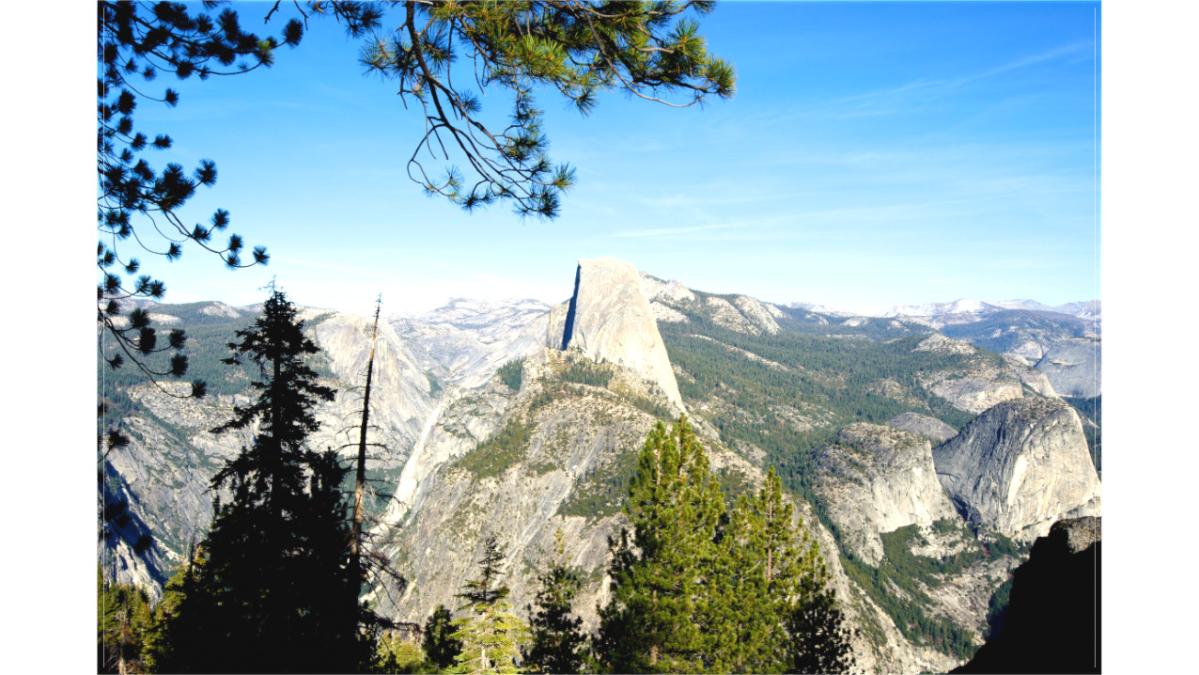
Start with the wall, not the artwork. A sofa wall usually wants one statement piece or a tight group of three. A narrow wall beside a doorway wants something tall and vertical.

Here's what to check before you buy:
- Room scale: art should span about two-thirds of the furniture below it
- Color harmony: pull one color from your rug, pillows, or curtains
- Focal point: choose an image with a clear subject, like Half Dome or a mountain barn
- Spatial awareness: leave breathing room on all sides
Nature photography is a style of fine art photography that captures landscapes, wildlife, and plants in their natural settings, usually with minimal editing. That authenticity is why it works so well in homes: it reads as a real place, not a decoration.
How to Use Color Theory in Interior Design With Nature Photography
Color theory in interior design with nature photography works on one rule: let the photo set the palette, then echo two or three of its colors in the room. Landscape photography already contains natural color harmony, so you're borrowing a scheme that's proven to work.
Three approaches cover most rooms:
- Match the dominant color. A blue lake print pairs with blue-grey walls.
- Match the accent color. A green forest print next to a green throw.
- Go neutral. A misty, low-saturation print on a warm white wall.
How to Frame Nature Photography for Any Room
Framing nature photography comes down to three choices: frame color, mat, and glass. Get these right and a modest print looks expensive; get them wrong and a great print looks cheap.
- Frame: black, white, or natural wood fits almost any room
- Mat: a wide white mat adds visual weight and calm
- Glass: standard glass is fine; anti-glare helps in bright rooms
- Finish: matte finish cuts reflection, glossy finish boosts contrast
Matching Print Medium to Your Space: Canvas, Metal, or Paper
| Medium | Best For | Look | Glare | Humidity Tolerance | Care |
|---|---|---|---|---|---|
| Canvas wrap | Living rooms, family spaces, rentals | Soft, painterly, low reflection | Low | Moderate | Dust with dry cloth |
| Metal print | Kitchens, modern rooms, hallways | Glossy, high contrast, saturated | High (unless matte-coated) | High | Wipe with damp cloth |
| Fine art paper (framed) | Studies, galleries, bedrooms | Rich, detailed, archival | Depends on glass | Low without sealing | Frame behind glass, handle by edges |
| Acrylic face-mount | Bright rooms, contemporary spaces | Deep, glass-like, punchy color | Moderate | Moderate | Wipe with damp microfiber |
Match the medium to the room, not the trend:
-
Bathrooms and sunrooms: humidity and UV are the two killers. Metal or acrylic face-mount survives steam and indirect sun far better than paper behind glass, which can trap moisture and grow mold along the mat.
-
Kitchens: grease and splatter are real. A metal print wipes clean; a canvas does not.
-
Bedrooms: glare matters more than durability. A matte canvas or paper behind anti-glare glass keeps the piece quiet at night.
-
Rentals: canvas wraps and unframed paper are light enough for removable adhesive strips; glass-framed pieces are not.
-
Ready-made frames in standard sizes (8x10, 11x14, 16x20, 18x24), custom sizes are where the price jumps.
-
Pre-cut mats from craft stores, sized to the frame, not the photo.
-
Canvas prints hung with a simple sawtooth hanger or adhesive strip, no frame, no glass, no mat.
-
Clip frames or magnetic poster hangers for a clean, modern look on a tight budget.
-
Foam-core mounting behind a mat for a flat, gallery-style finish without custom framing.
A note on longevity by medium. Pigment-ink prints on archival paper, framed behind UV-filtering glass and kept out of direct sun, are commonly rated to hold color for decades. Dye-based inks fade faster.
Arranging Nature Photography: Gallery Walls and Negative Space
Arranging a gallery wall starts with a grid, not a hammer. Lay the pieces on the floor first, or cut paper templates and tape them to the wall.
A few layouts that work:
- Two-by-two grid: four equal prints, even gaps
- Salon style: one large piece with smaller ones around it
- Linear row: three prints in a straight line above a sofa or bed
Tips for Decorating With Nature Photography in Rentals
Renting doesn't mean bare walls. The trick is hanging art without leaving holes your deposit can't survive.
- Use removable adhesive strips rated for the frame's weight
- Choose lighter unframed prints or canvas wraps
- Lean larger pieces on a shelf or mantel instead of hanging
- Swap art seasonally to keep a small space fresh
Caring for Your Nature Photography Prints
Prints last decades if you keep them out of direct sun and handle them by the edges. Ultraviolet light is the main enemy; it fades ink over time, and humidity is the second. Neither is obvious until the damage is done.
Room-by-room risks:
- Sunrooms and south-facing walls: hours of direct sun will fade even archival pigment inks over years. Rotate pieces seasonally, or use UV-filtering glass and a mat that blocks light from reaching the paper edge.
- Bathrooms: steam and temperature swings are the problem, not water directly. Paper behind glass can trap moisture against the mat and grow mold. Metal, acrylic face-mount, or a sealed canvas handle this room far better.
- Kitchens: airborne grease settles on surfaces and dulls color. A metal print wipes clean; a canvas does not.
- Basements and garages: humidity swings cause paper to ripple and canvas to sag. Keep art on interior walls, away from exterior corners.
- Home offices and bedrooms: low risk, but avoid hanging directly above a heat vent or radiator, which dries and warps materials.
Quick care rules:
- Keep art off walls that get hours of direct sunlight, or rotate pieces every few months
- Dust canvas and frames with a dry, soft cloth, microfiber works well
- Never spray cleaner onto the print surface; spray the cloth, then wipe the frame only
- Handle prints by the edges or with cotton gloves; skin oils etch paper and dull metal
- Store spare prints flat, between acid-free sheets, in a cool, dry place, not a hot attic
- Rehang framed pieces with two hooks, not one, to prevent the frame from twisting over time
Signs it's time to reframe or replace:
- Colors look muddy or shifted toward yellow compared to a reference photo
- Paper shows ripples or waviness, a sign of humidity exposure
- The mat has brownish stains along the bevel, a classic acid-burn pattern
- Glass has condensation between the panes, meaning moisture is trapped inside
Frequently Asked Questions
How do I choose the right size nature photography for a wall?
Measure your wall and aim for art that fills 60 to 75 percent of the available width above furniture. For a sofa, a single piece between 30 and 40 inches wide usually works; for a bed, go slightly smaller. Bob Clark Photography prints start at $17.99, so you can test a small size before committing to a larger statement piece. Tape paper templates to the wall first to check scale from across the room.
Does nature photography improve home wellness?
Yes. Nature photography is used as a design element to create bedroom environments more conducive to restful sleep, and neutral, natural color palettes can calm viewers. Placing a landscape print in a home office or study area provides visual relief and supports sustained mental effort. The effect comes from the subject and palette, not the price of the frame.
How do you coordinate nature photography colors with existing decor?
Pull one or two colors from the photograph and repeat them in throw pillows, rugs, or a lamp shade. A landscape with warm gold tones, like the Sawtooth Mountains in spring, pairs well with earth-toned furniture. If your room is mostly gray or white, choose a print with a strong focal color so the art becomes the accent rather than blending in.
What are the best rooms to display nature photography?
Living rooms and bedrooms are the most common choices. Living rooms benefit from a large landscape above the sofa, while bedrooms do well with softer, neutral scenes that support rest. Home offices are another strong option because visual relief from a natural scene helps sustain focus. Avoid hanging prints in bathrooms or kitchens where steam and grease can damage paper and canvas over time.
Decorating with nature photography is easier when the art itself is worth building a room around. Bob Clark Photography offers original landscape and wildlife prints from the Rocky Mountain west, available framed or unframed, plus photography on apparel and accessories. Every piece comes from real places like the Tetons, Yosemite, and the Sawtooths. Check out the collection and bring a piece of the West home.